Showing posts with label DISCOVERY. Show all posts

Friday, 12 October 2018

SECURITY ALERT: YOUR ATM IS AT RISK!

If you use a bank ATM card please read through the security info I'm about to share with you in this post. Most of us are aware of the risk in disclosing our atm pin to third parties but have never been warned about this.
I discovered this loop hole some years back in the security of atm cards but didn't say anything because I'm not interested in exploiting anybody let alone lifting there money from their account even when I have access to their atm. But everyone is not like me! I got awaken now because some others have discovered this and have started exploiting it. So what is this loop hole? Read on;

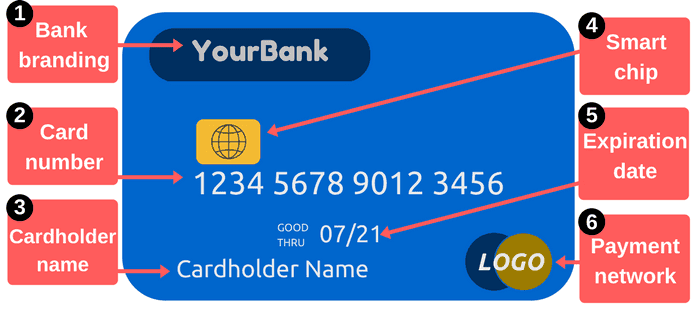
When you are making payment on popular online stores, Aliexpress especially, you only need your card number and the CVV, which is the 3 digits at the back of the card. Your pin or token is not needed at least for transaction whose amount aren't big.
A labelled Atm card showing its front elements. 

A labelled Atm card showing its back elements.

How does that affect you? Since maybe you don't really buy things online. Yes, it affects you! Anyone can lay hold on your card somehow, all they need do is snap the front and back of it. Without having your physical atm card, they will be able to use your card to buy things online.

HOW CAN YOU SECURE YOUR CARD TO AVOID THIS LOOPHOLE?

1. Keep your card away from preying eyes, trust nobody!

2. BACKUP YOUR CARD NUMBER AND CUT IT OUT! HOW?

i. You can snap it back and front and keep it as picture.

ii. You can save the card number with unsuspected name in your contact list on your sim card.

What if you lost your phone and sim card? For more security, do this;

i  Save the card number directly on your email from your smartphone. Click add new contact and select the email you login on your phone and save it. Any phone you login into with that same email will bring the contact.

ii. Save the card number or image as saved messages on Telegram. You can access this anytime, anywhere and on any devices. For how to do that, read my post on that here: How to Use Telegram as Online Storage.

iii. Email the card details to yourself as an email. You can actually send an email to yourself. Just put your email again in the receiver field and send.

After you have done one of the above backup options, simply cut out the card number at the front of your Atm card leaving the last 4 digits because you will be needing that often when dealing with the bank officials. Be careful not to tamper with the CHIP.
I hope that help. In case of any question ask in the comment section. 
Wednesday, 19 September 2018

A DOCTOR DISCOVERED HOW TO SAVE CHILDREN WITH PNEUMONIA WITH SHAMPOO BOTTLE

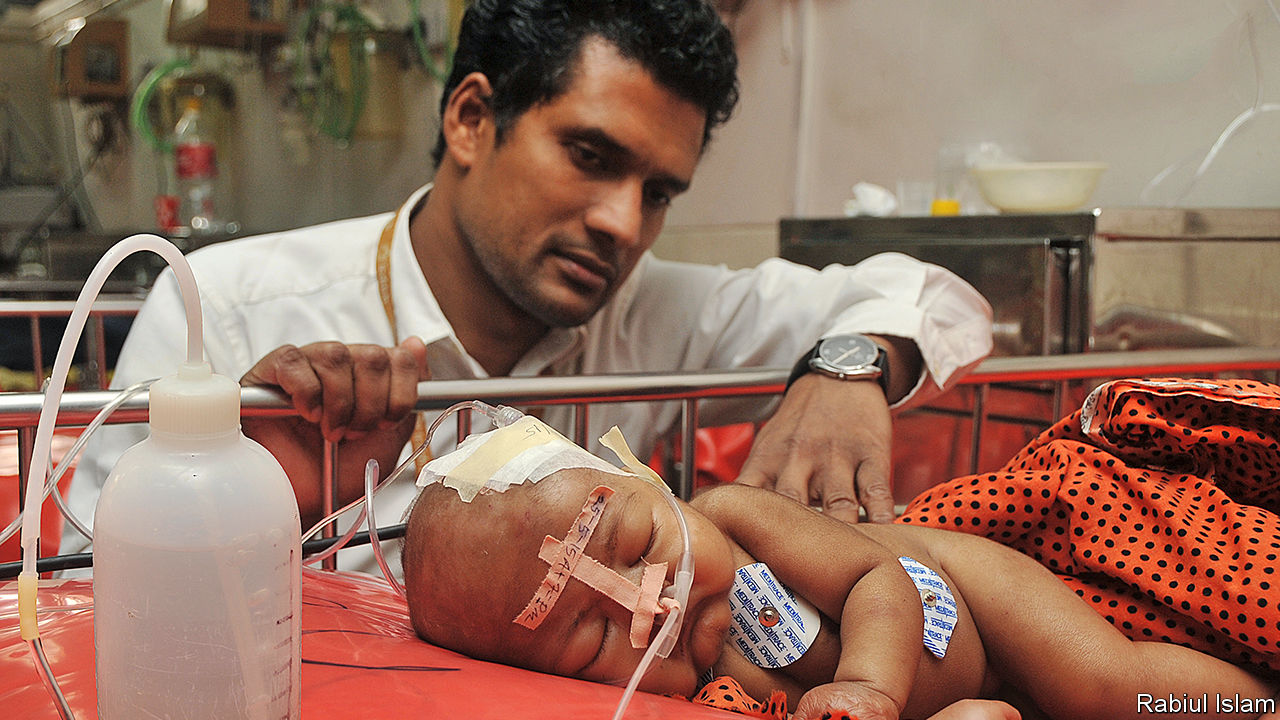
Dr. Mohamad Chisti watching a baby being treated for Pneumonia. Credit: The Economist


A doctor in Bangladesh has found a simple way to treat infant pneumonia. ON HIS first night as a trainee paediatrician in Sylhet, Bangladesh, Mohamad Chisti (pictured above) watched three children die of pneumonia. Oxygen was being delivered to them, through a face mask or via tubes placed near their nostrils, using what is called a basic “low-flow” technique which followed World Health Organisation (WHO) guidelines for low-income countries. But it was clearly failing. He decided to find a better way.

NEW DRUG THAT HELP PATIENT RE-GROW INSULIN CELLS HAS BEEN DEVELOPED

Diabetes drug
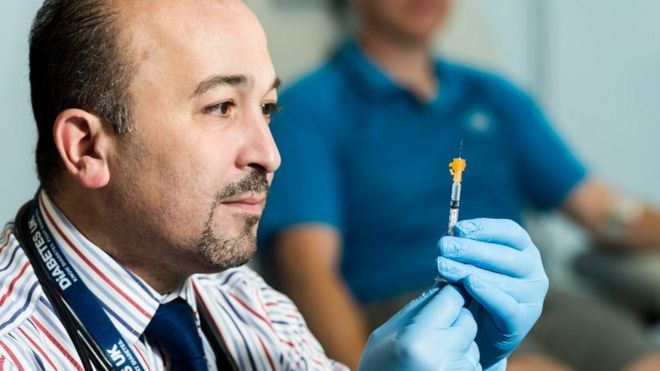
A Doctor holding syringe filled with drug. Courtesy of BBC 

About 19,000 people live with Type 1 of the condition in Wales and 90% have less than 5% of these cells left.
This means they have to inject insulin but it is hoped the new drug will mean patients may not have to in the future.
The trials are being conducted by researchers at Cardiff and Vale University Health Board and two people have already been given the drug.

Wednesday, 21 March 2018

FACEBOOK MESSENGER GETS ADMIN RIGHT AND JOINABLE LINK FOR GROUP CHAT

The Facebook Messenger which is a standalone app of the Tech-giant Facebook, is getting a new role out of features this week. The features include, the ability to have Admin(s) on the group chat. Also you can now

Friday, 26 January 2018

Google’s Alphabet Launches a Cybersecurity Firm called 'Chronicle'


Picture showing Chronicle.  
Alphabet, the parent company of Google, today announced
the launch of Chronicle, a new cybersecurity company that aims to give companies
a better chance at detecting threats by analyzing and storing security
related data. Chronicle will now be a standalone company under the Alphabet umbrella, just like Google. Stephen Gillett has been named as the CEO. He joined Google Ventures and was previously the COO of Symantec.

Stephen Gillett explains “we want to 10x the speed and impact of security teams’ work by making it much easier, faster and more cost-effective for them to capture and analyze security signals that have previously been too difficult and expensive to find.” “We are building our intelligence and analytics platform to solve this problem.”

Saturday, 23 December 2017

The World’s Largest “Artificial Sun” Is Powering up


Synlight is the largest collection of film projector spotlights ever assembled in one room, and scientists
in Germany are turning them all on at once in the pursuit of efficient and renewable energy.

This experiment involving the world’s “largest artificial sun” is taking place in Jülich, a town located 30 kilometers (19 miles) west of Cologne, and it was designed by scientists from the German Aerospace Center (DLR). The device features
149 industrial-grade film projector spotlights, and each one boasts roughly 4,000 times the wattage of the average light bulb.

When this artificial sun is turned on, it generates light that’s 10,000 times as intense as natural sunlight on Earth. Swiveling the lamps and concentrating them on one spot can produce temperatures of around 3,500 degrees Celsius (6,332 degrees Fahrenheit), which is three times as hot as the heat generated by a blast furnace.

LET THERE BE LIGHT

Every day, a huge amount of energy hits the Earth in the form of light from our Sun. While we do already have ways to harness the Sun’s energy, such as through solar panels, much of it still remains untapped. Scientists hope their experiments with Synlight will illuminate ways to tap into that wasted energy.

The experiment is not without its risks and costs, however. “If you went in the room when it was switched on, you’d burn directly,” Bernard Hoffschmidt from the DLR told The Guardian. To avoid that, the experiment will take place inside a protective radiation chamber. This artificial sun consumes a vast amount of energy when powered up, as well — a four-hour operation eats up as much electricity as a four-person household would use in a year — so it is expensive.

This will all be worthwhile, however, if the Synlight experiment leads to more efficient and cleaner energy for the future. The first goal is to determine the optimal setup needed to use sunlight to power a reaction that produces hydrogen fuel — a potential clean fuel source for cars and airplanes. “We’d need billions of tonnes of hydrogen if we wanted to drive [airplanes]and cars on CO2-free fuel,” Hoffschmidt explained. “Climate change is speeding up so we need to speed up innovation.”

In the future, the facility may be used to test the durability of space travel parts when blasted by solar radiation, so not only could Synlight help us deal with our energy crisis here on Earth, it could help us explore worlds far beyond our own, too.

Source

Saturday, 5 August 2017

HEALTH BENEFITS OF SWEET POTATOES YOU NEVER KNOW!


Sweet Potatoes. Jpg 
Sweet Potatoes are an incredibly nutritious food that are packed with antioxidants like beta carotene, vitamins C, E & D, and minerals such as manganese and iron. They are also high in potassium which helps to lower blood pressure by removing excess sodium and regulating fluid balance in the body. Sweet potatoes are an excellent anti-stress food and are known to help relax muscles, steady nerves, and balance cognitive function. They are also one of the best anti-cancer foods and can particularly help to prevent breast, colon, lung, skin, and oral cancers. Sweet potatoes are known for being easy to digest and are very good for ulcers, inflamed colons, digestive disorders, and constipation. Sweet potatoes contain compounds called phytochelatins that can bind to heavy metals such as lead, mercury, copper, & cadmium and safely remove them through the body. Mothers have even given children who have accidentally swallowed a metallic object such as a coin, plenty of sweet potato so that it will stick to the object and allow it to pass through easier. The health benefits of sweet potatoes are the most bioavailable when eaten raw, steamed, or baked. Try making a simple fat-free sweet potato soup by steaming sweet potatoes until soft and then placing in a blender or food processor and blend until creamy smooth. Spices such as cloves, cinnamon, ginger, chili pepper, or curry can be added for a flavor and nutritional boost. Baked sweet potatoes can be stored in the refrigerator and later sliced over a fresh green salad for a hearty lunch or dinner. Sweet potatoes are also delicious mashed with a drizzle of olive oil, coconut butter, or avocado. Sweet potatoes are a comforting, satisfying, and very healing food, consider finding more ways to include them into your diet.

Credit: Dr Lizzy (OD) Nigeria. 

Sunday, 26 June 2016

THE AMAZING HEALTH BENEFITS OF COCONUT YOU NEVER KNOW


Coconuts are one of the wonder foods on earth that amply provides for all human needs and have multiple health benefits… They can even save your life!
Few people (even fewer doctors) understand how important the coconut is to stabilizing blood sugar; lowering cholesterol; healing; hydration; and even replacing blood plasma in an emergency.

Wednesday, 18 May 2016

Self-Focusing Eyeglasses Now in Development

As people age, they often require bifocals or several pairs of glasses to see objects both near and far. Deep Optics, a technology start-up based in Israel, is working on an alternative: eyeglasses that automatically refocus on any target at which the wearer looks. The “omnifocals” adjust focal length by relying on the interaction between an electric current and liquid crystal, a material in which molecules act like both liquids and solids.
COURTESY OF ALON SHOAVI
Although some smartphone

Thursday, 5 May 2016

SCIENTISTS GROW 13-DAY EMBRYO


 A human embryo has been grown in a laboratory for twice the length of time than was previously possible.

The breakthrough could revolutionise medicine but also raises fresh ethical questions about when life begins.
This microscope photo provided by The Rockefeller University shows a human embryo 12 days after fertilization in vitro, with different cell types marked by separate colours.
Since scientists first fertilised an embryo in a test tube in 1969, they have never managed to keep one alive for long after the point at which the foetus implants in the womb, normally about seven days. However, researchers at Cambridge University have now grown embryos for 13 days - a process they only stopped to avoid breaking the current legal limit of about 14 days.

MERCURY IS READY TO CROSS THE SUN AGAIN


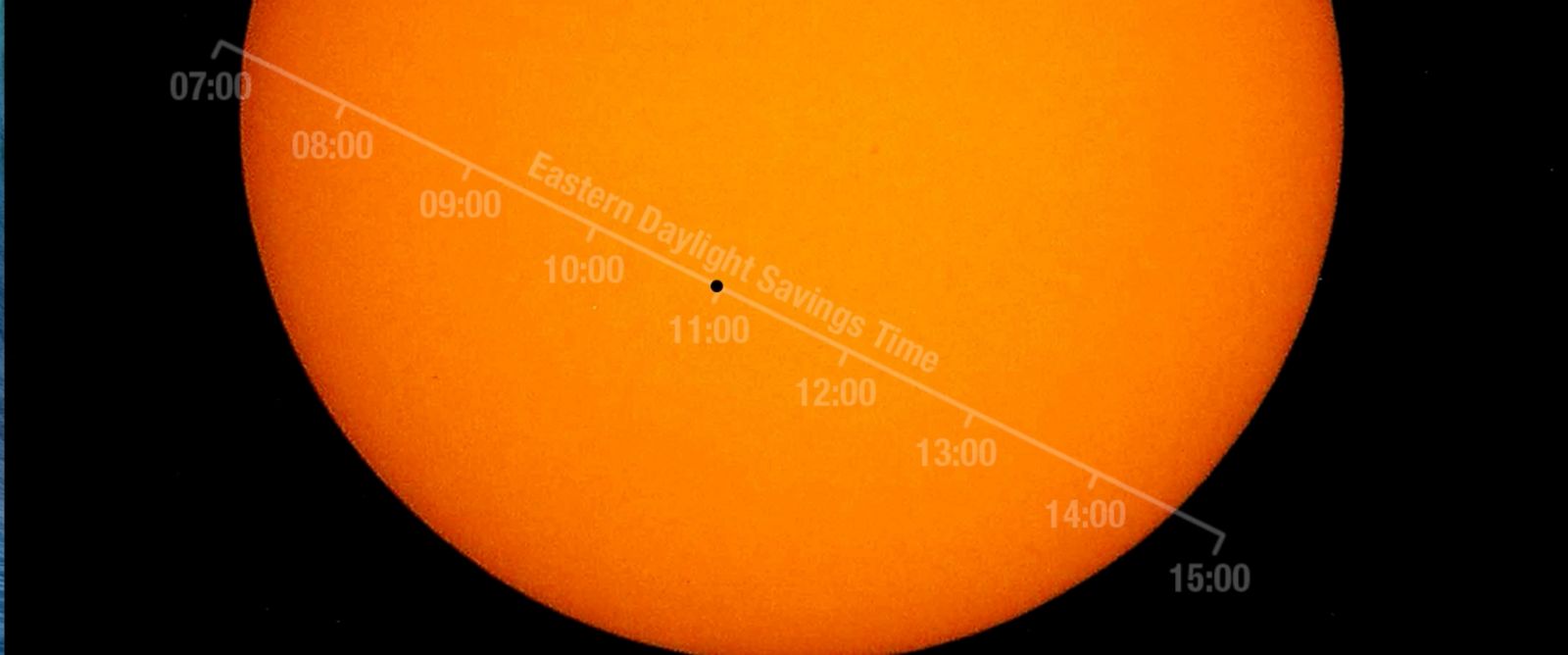
Mercury is set to transit the sun, a celestial event so rare it happens just 13 times in a century.PHOTO:The 2016 Mercury transit (depicted conceptually here) will occur between about 7:12 a.m. and 2:42 p.m. EDT on May 9.

The planet closest to the sun will begin its crossing at 7:12 a.m. ET(Earth Time) Monday.

Friday, 11 March 2016

DISCOVER HOW VITAMIN C CAN HELP YOUR VISION

Vitamin C and Your Eyes

Image result for ORANGE
Vitamin C (also known as ascorbic acid) is a water-soluble vitamin and a powerful antioxidant. Abundant in fruits and vegetables. However, contrary to popular believe that the Vitamin C content of Orange is so high, new discoveries show that it is highr in fresh pepper. Vitamin C helps the body form and maintain connective tissue, including collagen found in the cornea of the eye. 
Vitamin C also promotes healthy bones, skin and blood vessels, including the delicate capillaries in the retina. Studies suggest long-term consumption of vitamin C also may reduce the risk of forming a cataract and vision loss from macular degeneration.
Unlike most animals, humans are unable to produce vitamin C in the body. So we must get our daily dose of ascorbic acid from our diet. A diet deficient in vitamin C can lead to scurvy — a serious disease characterized by muscle weakness, swollen and bleeding gums, loss of teeth, bleeding under the skin, soreness and stiffness of the joints, anemia, fatigue and depression.

Want more vitamin C in your diet? Sweet red peppers have more than three times the vitamin C of orange juice.
So how much vitamin C do you need?

Thursday, 3 March 2016

OPTOMETRY TODAY: GLAUCOMA VS TRACE METALS


Image result for VISION
A recent study, published online ahead of print in JAMA Ophthalmology, looked at the link between trace metals and glaucoma prevalence in 2,680 South Korean patients 19 years and older. They found that participants with glaucoma had significantly lower blood manganese levels vs. patients without glaucoma.
They also discovered patients with glaucoma had higher blood mercury levels vs. those without the
disease.


Thursday, 28 January 2016

GOOD NEWS FOR COFFEE DRINKERS: STUDY FINDS COFFEE DOESN’T SPEED UP YOUR HEART


A cup of coffee is part of many people’s daily routine.COFFEE and tea drinkers can, and should, sip worry — free — regular caffeine consumption doesn’t cause heart palpitations, and likely has cardiovascular benefits, according to a new study.

“In general, consuming caffeinated products every day is not associated with having increased … arrhythmia but cannot specify a particular amount per day,” lead researcher Dr. Gregory Marcus wrote in the Journal of the American Heart Association.
Their findings go against the conventional clinical knowledge in

SCIENTISTS DISCOVERED THE NEWEST AND WIDEST SOLAR SYSTEM

An artist's impression of 2MASS J2126. (University of Hertfordshire / Neil Cook)
Scientists have found a planet that is about 600 billion miles from its star or about 7,000 times the distance – or about 7,000 astronomical units - from the Earth to the Sun. That distance between planet and star means this would be

Monday, 30 November 2015

THE UNSUSPECTED WAYS SMOKING HARMS EVERY PART OF YOUR BODY

The unexpected ways smoking harms your body

Image
The message is echoed across doctors’ offices, hospitals, schools, the news, ad campaigns, public health initiatives and beyond: Smoking is bad for you.
But while many of us have been inundated with the message, 19.4 percent of adults in still smoke, according to the United Health Foundation. Nationally, smoking-related diseases cause more than 480,000 deaths every year. You may also read: CIGARETTE- THE KILLER ROD
Even if smoking doesn’t kill you, it most likely will dramatically hinder your quality of life. “Smoking damages every single organ — every single cell — in your entire body,” said Dr. George Tu, MD, FCCP, DABSM, a pulmonologist at the Lung Center of Nevada, a division of Comprehensive Cancer Centers of Nevada, and MountainView Hospital.

Thursday, 26 November 2015

INHALING SMOKE CAN LEAD TO MEMORY LOST

 Inhaling smoke can lead to loss of memory, says neurologist

A Neurologist with Alpha Medcare, a research centre in Iba, Lagos, said inhaling smoke in any form is dangerous to health and capable of causing loss of memory.
Dr Patrick Okoh, told the News Agency of Nigeria (NAN) yesterday said that inhaled smoke could be from a car’s exhaust, cigarettes, cannabis and other substances.

NEWEST TECHNOLOGY, LIFI OFFERS SPEED OF 100X THAT OF WIFI

A new technology, known as LiFi, could one day offer internet speeds one hundred times faster than the WiFi we use today. Scientists have achieved speeds in the lab of up to 224 GB per second. That's the equivalent of downloading 18 movies in

Friday, 20 November 2015

INSECTS INSPIRE LENSES THAT SEE TWICE THE HUMAN EYE


 FIG:

Schematic of FZPs.

Figure 1
(a) An array of transmissive FZPs on a planar substrate. (b) FZPs on a flexible substrate with a convex shape. (c) The FOV for two FZPs on a flat substrate with substantial overlap. (d) The overall FOV is increased for the two FZPs on a flexible substrate due to the bending of the substrate. The FOV of a single FZP (microlens) is shown in yellow. (e,f) Focus scanning with a microlens on a flexible substrate. The focus when the substrate is flat is located at F0. The focus shifts to F1 for a convex shape of the substrate. The focus shifts to F2 for a concave shape of the substrate. The total range of focus scanning is ΔF = F2F1. Irradiance is shown in green. Reflective FZPs can also be realized, and their operating principle is similar to what is illustrated here.


Engineers often turn to nature for inspiration for their newest innovations.Madison-based engineers were looking to develop new, minuscule lenses with incredible visual fields, they turned to those who were there first: insects.
Consider this: The field of view in a single human eye is around 100 lateral degrees. That is, if you close one eye, and focus straight ahead of you, you will see a little more than 90 degrees worth of space, including the area of focus and the periphery to the side of you.
Now, get this: Bees can see more than 300 degrees, almost all the

Thursday, 19 November 2015

Coffee drinkers less likely to die prematurely from certain diseases:


 People who report drinking three to five cups of coffee per day are less likely to die prematurely from heart disease, suicide, diabetes or Parkinson's disease, US researchers said Monday.
Both caffeinated and decaffeinated coffee were shown to have benefits, said the study by researchers at the Harvard University Chan School of Public Health published in the November 16 edition of the journal Circulation.

Featured Post

AMAZINIG HEALTH BENEFITS OF BITTER LEAF YOU NEVER KNOW

                                  fresh African Bitter leaf plant. Bitter leaf is a tropical plant found in different part of the world ...